Currently accepting new patients (15 and up ) at our new location in Mission Valley, San Diego

FIRST RESPONDERS AND MILITARY
San Diego First Responder & Military Therapy | Culturally Competent Care
Rare, specialized psychotherapy for first responders, provided by a retired first responder who understands the culture. I offer trauma-informed, evidence-based treatment for police, fire, corrections, medical personnel, EMS, and military personnel navigating hypervigilance, organizational stress, and burnout. Stop the cycle of emotional shutdown and address the long-term costs of functioning under pressure.

When your survival mode stops working and is costing you everything
Many first responders, military personnel, and high-stress professionals spend years learning how to stay functional under pressure. The ability to compartmentalize, suppress emotion, stay alert, move quickly, and keep operating often becomes necessary in the environment in which they work. The problem is that survival-based functioning does not always turn off when the shift ends.
Over time, chronic exposure to stress, trauma, responsibility, hypervigilance, and emotional suppression can begin affecting sleep, relationships, patience, emotional availability, identity, physical health, and the ability to feel fully present even outside of work.
Many people do not recognize how much they are carrying until the cost starts showing up elsewhere: anger, burnout, emotional shutdown, addiction, isolation, anxiety, relationship strain, exhaustion, compulsive coping, or the growing feeling that they no longer know how to slow down.

Common areas of focus
Trauma & PTSD
Critical incident exposure
Hypervigilance
Intrusive memories
Emotional numbing
Survival responses
Stress & Burnout
Chronic pressure
Sleep disruption
Irritability
Exhaustion
Nervous system overload
Identity & Emotional Shutdown
Difficulty slowing down
Emotional suppression
Detachment
Addiction
Loss of connection
Identity outside the role
Relationships & Family Impact
Communication difficulties
Emotional distance
Anger spillover
Trust strain
Family stress
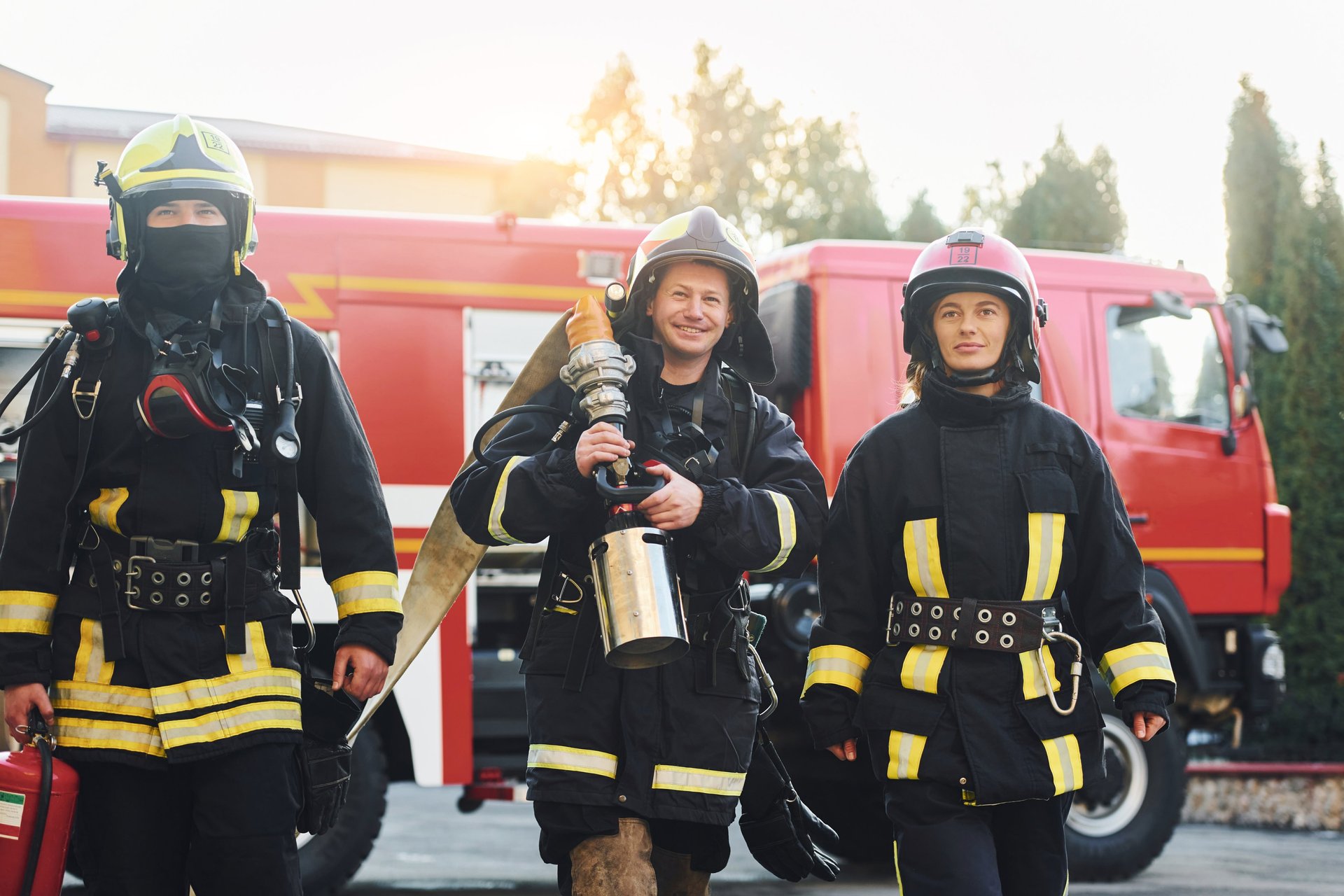
Before I sat in a psychotherapist’s chair, I spent a career in the field. I’ve lived in those operational and crisis environments where high-stakes pressure, trauma exposure, and split-second decision-making aren't clinical concepts; they are the job description. I understand the mechanics of the "tactical mindset" because I had to build one. I know what it’s like to operate in a world where hypervigilance is a safety requirement and emotional suppression is a tool for survival.
The reality of the job is that we are trained to compartmentalize. We learn how to box up the chaos so we can move to the next call, the next shift, or the next deployment. For a long time, that ability to stay objective and detached is exactly what makes you effective. It keeps you alive and your team safe.
But the switch doesn't always flip back.
I know exactly how difficult it is to transition from a high-intensity environment to the "normal" rhythm of life at home. When you’ve spent years conditioned to scan for threats and suppress your own reactions, "slowing down" can feel physically impossible. Eventually, the very traits that made you a high-performer in the field, the hyper-awareness, the emotional distance, the drive to keep moving, become the same things that drive a wedge between you and the people you care about.
My role is not to pathologize the way you’ve adapted.
I’m not here to judge the strategies that kept you operational. Those adaptations served an essential purpose; they were your armor. But if that armor has become too heavy to carry, if it’s costing you your sleep, your relationships, your patience, or your peace of mind, then we need to talk about what those patterns were designed to protect.
Our work isn't about "fixing" you; it’s about tactical decompression. It’s about understanding how your nervous system has been shaped by the job and finding a way to move forward where you are in control of the switch, not the other way around.
I UNDERSTAND
The Perspective of My Experience
LEARN MY TOOLS
A Specialized Framework for Complex Challenges
My work is built on the principle that effective therapy must be as dynamic as the people it serves. I don't believe in forcing individuals into a rigid, one-size-fits-all therapeutic model. Instead, I integrate trauma-informed, neuroscience-backed, and evidence-based approaches to create a strategy tailored to your specific history and professional reality.
Depending on your clinical needs and goals, our work may incorporate high-impact modalities such as:
EMDR:
Eye Movement Desensitization and Reprocessing
To reprocess the "stuck" memories of critical incidents.
CPT:
Cognitive Processing Therapy
To challenge the stuck beliefs, guilt, and shame that often follow trauma.
Neuropsychotherapy
To understand the biological "why" behind your emotional and physical reactions.
Nervous System Regulation
Practical tools to move your body out of a permanent state of "alarm."

In high-pressure professions, we are often taught to "just keep moving." While surface-level coping skills have their place, they rarely address the root of the issue. I am interested in the deeper mechanics: the emotional conditioning, the behavioral adaptations, and the survival roles that were forged in the heat of your career.
When you spend years operating under pressure, your nervous system adapts to survive that environment. These adaptations are brilliant for the job, but they can become destructive when they continue shaping your life long after the environment has changed. Our work is a deep exploration into these identity structures and stress responses. We look beyond the symptoms to understand the underlying patterns, identify what those responses were designed to protect, and transition into a way of living that is no longer dictated by past trauma.
Beyond Surface-Level Coping
My trauma work is grounded in elite clinical training and recognized industry standards. I am certified through the U.S. Department of Veterans Affairs in the administration of the Clinician-Administered PTSD Scale for DSM-5 (CAPS-5), the gold standard in trauma assessment. This high-level training allows me to provide a precise diagnostic foundation for specialized treatments, including EMDR and Cognitive Processing Therapy (CPT).
I specialize in helping individuals navigate the complex realities of:
Cumulative Stress & Operational Burnout
Trauma Exposure & PTSD
Hypervigilance & Avoidance Strategies
Emotional Shutdown & Long-term High-Pressure Functioning
TRAUMA WORK
Advanced Trauma Assessment & Evidence-Based Treatment
Flexible Therapy Options
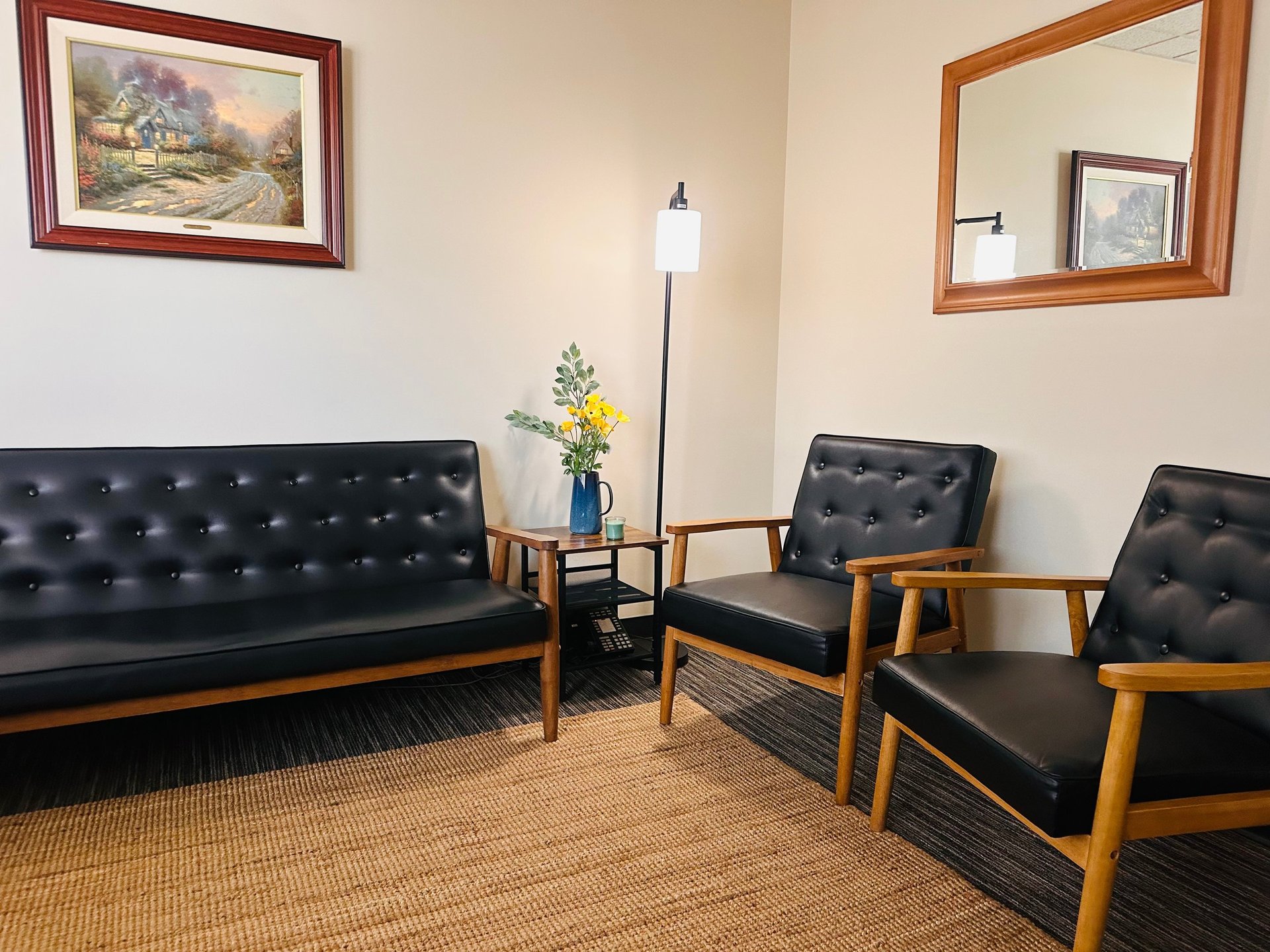
Sessions are available in person in Mission Valley, San Diego, and through secure telehealth appointments throughout California.
I offer a free consultation to discuss what brings you in, answer questions about the process, and determine whether my approach is the right fit for your needs.
Have any questions?
If you have any questions about the therapies, feel free to contact me.
My Office
4025 Camino Del Rio South, Ste 300,
San Diego, CA 92108
Carl H Gregory, LMFT
© Copyright 2026 Carl H Gregory Therapy