Currently accepting new patients (15 and up ) at our new location in Mission Valley, San Diego
Neuropsychotherapy in San Diego
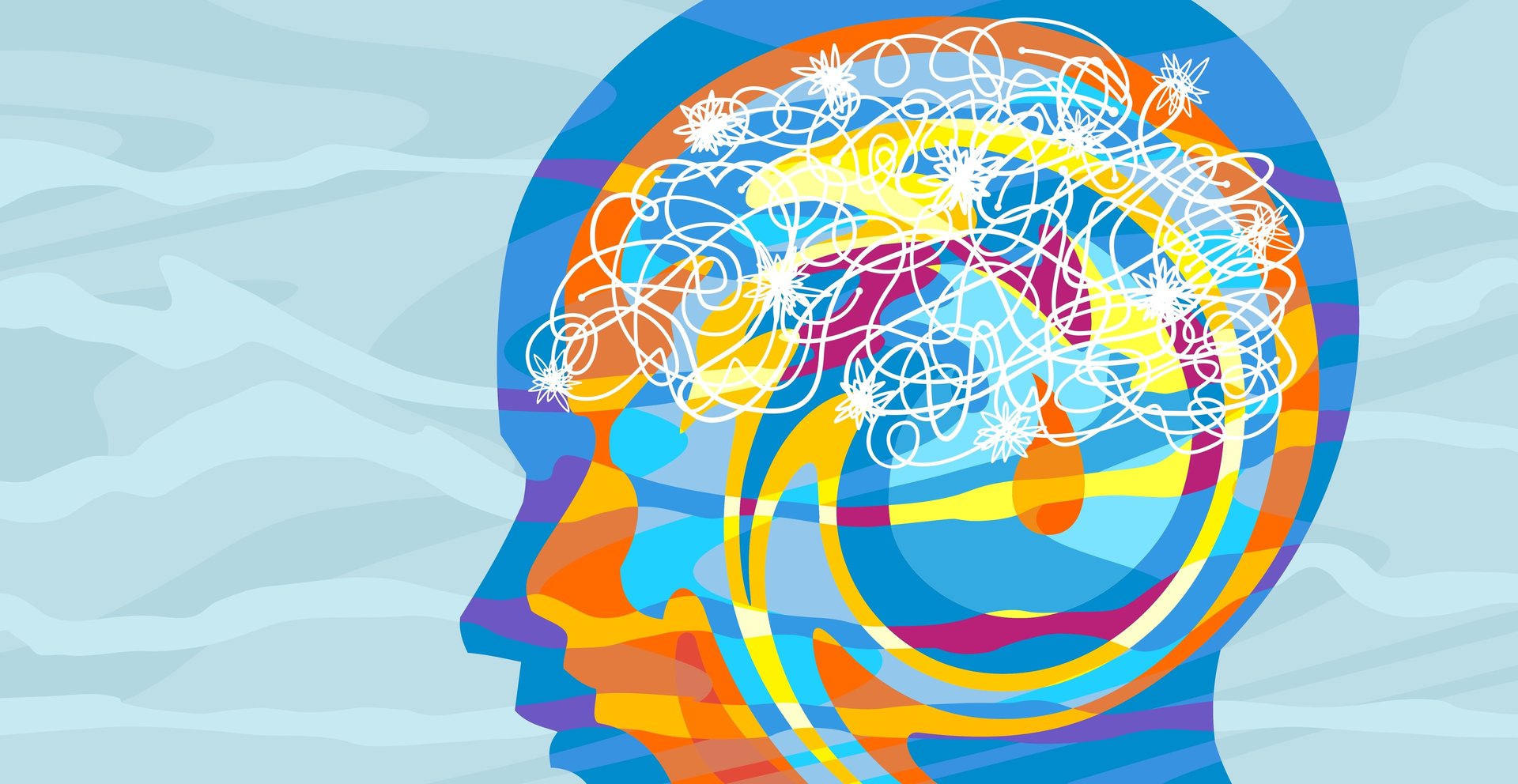
Neuropsychotherapy integrates neuroscience-informed understanding with psychotherapy to explore how stress, trauma, emotional experiences, relationships, and behavioral patterns may affect emotional self-regulation, nervous system functioning, coping responses, and overall psychological well-being.
Rather than viewing symptoms in isolation, this approach assesses how emotional experiences, chronic stress, trauma exposure, attachment patterns, and learned adaptations can influence the ways people think, feel, respond, relate, and move through daily life over time.
What Is Neuropsychotherapy?
Neuropsychotherapy is an approach rooted in research on neuroscience, emotional regulation, attachment, stress physiology, trauma, behavior, and human development. Rather than separating emotional experiences from brain and nervous system processes, it explores how psychological experiences and biological stress responses interact over time.
Stress, trauma, chronic anxiety, emotionally overwhelming experiences, relationship patterns, and prolonged survival-based coping responses can influence emotional regulation, nervous system activation, attention, behavior, memory, and the ways people respond to themselves and others. Neuropsychotherapy considers these interactions while remaining grounded in evidence-based psychotherapy and clinical practice.
This does not mean that every emotional struggle is purely biological or that therapy focuses only on the brain itself. Human behavior and emotional functioning are shaped by many interacting factors, including relationships, environment, development, exposure to trauma, life experiences, meaning, identity, and learned patterns over time.
A neuropsychotherapy-informed approach fosters a broader understanding of how emotional experiences, behavioral patterns, nervous system responses, and psychological adaptation may be interconnected, thereby supporting healthier emotional processing, regulation, flexibility, and long-term functioning.

Stress, Trauma & Emotional Functioning
Stress, trauma, and emotionally overwhelming experiences can affect far more than mood alone. Over time, they may influence emotional regulation, nervous system activation, attention, coping patterns, relationships, and the ways people respond to themselves and others.
Some people become increasingly anxious, reactive, emotionally overwhelmed, or hypervigilant. Others shut down emotionally, disconnect, overcontrol, avoid, or continue functioning while feeling chronically exhausted underneath. These responses are not random. They often reflect adaptations the mind and nervous system developed over time in response to stress, pressure, relationships, or difficult experiences.
A neuropsychotherapy-informed approach considers how emotional experiences, behavioral patterns, stress responses, and nervous system functioning may be interconnected, while helping people build healthier, more flexible ways of responding moving forward.
Areas Neuropsychotherapy May Support
Trauma & Chronic Stress
Exploring how trauma exposure and prolonged stress may shape emotional responses, coping patterns, relationships, and the ways people move through daily life over time.
Anxiety & Persistent Activation
Chronic anxiety, emotional overwhelm, hypervigilance, racing thoughts, tension, panic responses, and difficulty slowing down mentally or physically.
Emotional Regulation
Difficulty managing emotional reactions, irritability, emotional shutdown, feeling emotionally flooded, or struggling to stay emotionally grounded under stress.
Behavioral & Coping Patterns
Understanding avoidance, emotional suppression, overcontrol, perfectionism, withdrawal, and other patterns that may develop through stress, trauma, or repeated emotional experiences.
Burnout & Emotional Exhaustion
Emotional fatigue, depletion, chronic pressure, reduced resilience, and the psychological impact of carrying stress for long periods without adequate recovery.
Relationships & Attachment
Exploring how emotional experiences, attachment patterns, stress, and learned coping responses may affect trust, communication, connection, and relational functioning.

My Approach to Neuropsychotherapy
My approach to neuropsychotherapy is grounded in evidence-based psychotherapy while integrating neuroscience-informed understanding of stress, trauma, emotional regulation, attachment, behavior, and human adaptation. I view emotional struggles and behavioral patterns as shaped by many interacting factors rather than reducing people to diagnoses, symptoms, or biology alone.
Therapy focuses on helping people better understand the connections among emotional experiences, coping patterns, stress responses, relationships, and how they have adapted over time. Rather than approaching treatment through a purely symptom-focused lens, the work often involves building greater awareness, emotional flexibility, healthier regulation, and more sustainable ways of responding to stress, relationships, and everyday life.
Depending on the individual and the clinical need, treatment may integrate EMDR, Cognitive Processing Therapy, Cognitive Behavioral Therapy, nervous system-informed interventions, trauma-informed psychotherapy, and relational approaches tailored to the person rather than forcing individuals into a rigid model.

Flexible Therapy Options
Neuropsychotherapy-informed treatment is available in person in Mission Valley, San Diego, and through secure telehealth appointments throughout California.
I offer a free consultation to discuss what brings you in, answer questions about the therapy process, and determine whether my approach is the right fit for your needs and goals. The consultation is designed to provide clarity, direction, and a better understanding of what support may look like moving forward.
Whether you are struggling with trauma, anxiety, chronic stress, emotional overwhelm, burnout, relationship difficulties, or long-standing behavioral and emotional patterns, therapy can become a space to better understand those experiences while building healthier and more sustainable ways of responding over time.
My Office
4025 Camino Del Rio South, Ste 300,
San Diego, CA 92108
Carl H Gregory, LMFT
© Copyright 2026 Carl H Gregory Therapy